
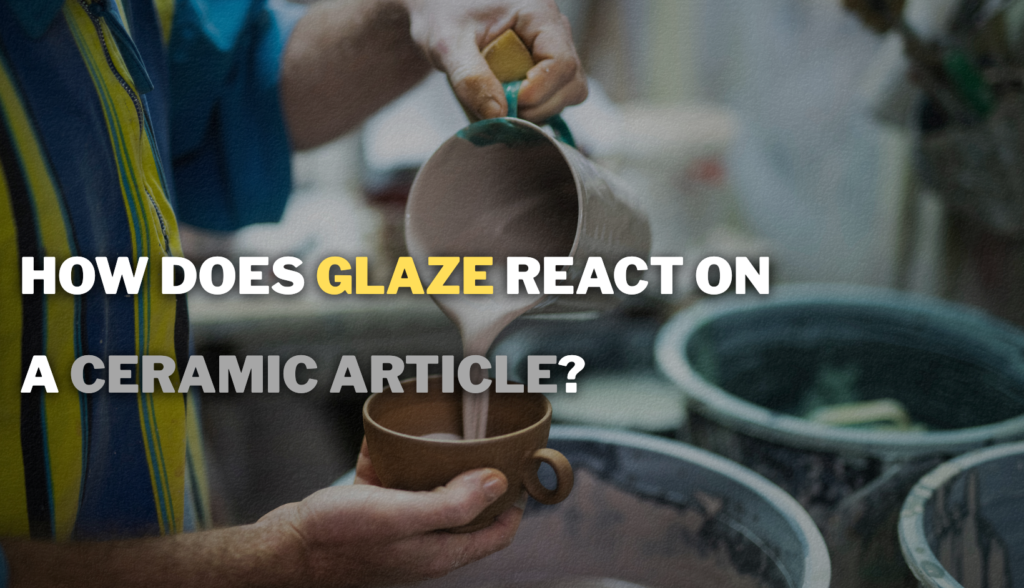
If you’re new to pottery or ceramics, you’ve probably wondered:
“Why did my glaze turn out differently than I expected?”
Ceramic glaze reaction is one of the most misunderstood topics in pottery. Many beginners think ceramics is a simple process…—make an article, let it dry, apply glaze, and the finished piece is ready. In reality, ceramics is one of the most complex art forms because it combines creativity, craftsmanship, material science, and chemistry.
Every ceramic article is the result of thousands of tiny chemical and physical interactions. The clay body, its mineral composition, how well it is prepared, trapped air, contamination, and many other factors all influence how a glaze reacts.
This is why two ceramic articles made with the same clay and the same glaze can still look completely different.
In this beginner-friendly guide, we’ll explain how glaze reacts on ceramic articles, why defects occur, and how proper clay preparation can help you achieve better and more consistent results.
What Is Ceramic Glaze?
Understanding ceramic glaze reaction helps beginners understand why the same glaze can produce different results on different clay bodies.
Ceramic glaze is a glass-forming coating applied to pottery and ceramic articles. Besides adding beautiful colors and finishes, glaze also protects the ceramic surface and makes it more durable.
However, glaze does not work alone.
It reacts with the clay body underneath, which means the quality of your clay has a direct impact on the final appearance of your ceramic piece.
Why Does the Same Glaze Look Different on Different Articles?
This is one of the most common questions asked by beginner potters.
The answer is simple:
The glaze reacts with the clay body, not just the surface.
Even if two articles are glazed using the same bucket of glaze, small differences in clay preparation can completely change the final appearance.
These differences may include:
- Poor clay preparation
- Trapped air inside the clay
- Uneven clay composition
- Clay contamination
- Natural mineral variation
- Different clay bodies
Understanding these factors is the first step toward producing better ceramic work.
1. Clay Preparation Is the Foundation of Good Glazing
One of the biggest mistakes beginners make is thinking clay preparation isn’t important.
In reality, good glazing starts before you even make your ceramic article.
If the clay isn’t prepared properly, glaze defects become much more likely.
Poor clay preparation can cause:
- Uneven glaze color
- White foamy spots
- Small bubbles
- Raised lumps
- Pinholes
- Surface imperfections
- Weak joints
- Inconsistent finish
Proper clay preparation creates a more uniform clay body, allowing the glaze to react more consistently across the entire surface.
2. Trapped Air Can Create White Foam, Bubbles, and Lumps
One of the most common glaze problems is trapped air inside the clay.
During the making process, air can become trapped while wedging, joining slabs, or hand-building.
Although the article may look perfectly fine before glazing, those hidden air pockets can later affect the glaze surface.
Common signs include:
- White foamy patches
- Small bubbles
- Raised bumps
- Tiny craters
- Pinholes
- Uneven glaze texture
Many beginners mistake these defects for glaze problems, when in fact they often begin with the clay itself.
How to Prevent It
- Wedge the clay thoroughly.
- Compress the clay while throwing or hand-building.
- Join pieces carefully without trapping air.
- Remove visible air pockets before continuing.
3. Clay Preparation Can Change the Final Glaze Color
Many people believe glaze color depends only on the glaze recipe.
That isn’t entirely true.
The clay body itself has a huge influence on how the glaze appears.
For example:
- White clay generally produces brighter, cleaner colors.
- Iron-rich clay often gives warmer or darker tones.
- Different clay bodies may slightly change the shade of the same glaze.
If the clay isn’t mixed evenly, different sections of the same article may contain slightly different mineral concentrations, resulting in noticeable colo
4. Natural Minerals Inside Clay Affect the Glaze
Clay is a natural material.
Unlike manufactured plastic or metal, every batch of clay contains naturally occurring minerals.
These minerals may include:
- Iron
- Silica
- Alumina
- Calcium
- Magnesium
- Other trace minerals
The amount of these minerals varies from one clay body to another.
Because of this, the same glaze can appear:
- Brighter
- Darker
- More transparent
- More opaque
- More vibrant
- More muted
This is completely normal in ceramics.
5. Uneven Clay Mixing Creates Color Variations
If the clay is not mixed properly before use, different areas of the article may contain different concentrations of minerals and moisture.
As a result, the glaze may react differently across the surface.
You might notice:
- Dark patches
- Light patches
- Uneven color
- Streaks
- Different shades on the same article
Beginners often think something is wrong with the glaze, when the actual cause is inconsistent clay preparation.
6. Contamination Can Affect Glaze Results
Even tiny contaminants inside the clay can influence how the glaze reacts.
Common contaminants include:
- Dust
- Dirt
- Plaster particles
- Metal fragments
- Organic matter
- Clay from another clay body
These foreign materials can create:
- White spots
- Rough patches
- Surface imperfections
- Unexpected color changes
- Pinholes
- Raised areas
Keeping your clay, tools, and workspace clean is one of the easiest ways to improve glaze consistency.
7. Every Clay Body Reacts Differently
One important lesson every pottery student learns is that not all clay bodies behave the same way.
Even when using the exact same glaze, the final result can change depending on the clay body.
For example:
- Stoneware clay
- Porcelain clay
- Earthenware clay
Each contains a different balance of natural minerals.
That means one glaze may look glossy on one clay body and slightly different on another.
This is completely normal and is part of the science behind ceramics.
8. Why Do Two Identical Ceramic Articles Look Different?
Imagine two students making the same mug.
Both use:
- The same clay
- The same glaze
- The same tools
Yet the finished pieces look different.
Why?
Because every handmade ceramic article is unique.
Small differences in:
- Wedging
- Clay preparation
- Air trapped inside the clay
- Mineral distribution
- Clay density
- Surface cleanliness
can all influence how the glaze reacts.
This is why ceramics is often described as a partnership between the artist and the material.
Tips for Beginners to Achieve Better Glaze Results
If you’re just starting your pottery journey, these simple habits can make a huge difference:
- Always wedge your clay thoroughly.
- Remove trapped air before making your article.
- Keep your clay and tools clean.
- Avoid mixing different clay bodies together.
- Learn how your clay behaves before blaming the glaze.
- Test new glazes on small sample tiles first.
- Remember that ceramics is a process of learning through observation and practice.
The more attention you give to clay preparation, the better your glaze results will become.
Final Thoughts
Ceramic glazing is much more than applying a beautiful color to a piece of pottery. It is a fascinating interaction between the glaze and the clay body, influenced by preparation, mineral composition, trapped air, contamination, and the natural characteristics of the clay.
For beginners, unexpected glaze results are completely normal. Every ceramic artist experiences them, and each piece teaches something new. By focusing on proper clay preparation, keeping your materials clean, and understanding how the clay body affects the glaze, you’ll build a strong foundation for creating beautiful and consistent ceramic work.
Remember, ceramics isn’t just about making a pot—it’s about understanding the science behind it. Every article tells a story of chemistry, craftsmanship, patience, and creativity.
Frequently Asked Questions (FAQs)
Why did my ceramic glaze change color?
The most common reasons are differences in the clay body, natural minerals, uneven clay preparation, contamination, or trapped air. The glaze reacts with the clay underneath, so even the same glaze can produce different colors on different articles.
Can trapped air affect glaze?
Yes. Trapped air inside the clay can lead to white foamy patches, bubbles, raised lumps, pinholes, and other surface defects if the clay is not prepared properly.
Why does the same glaze look different on different clay bodies?
Each clay body contains different natural minerals. These minerals influence how the glaze develops, resulting in variations in color, opacity, and surface appearance.
Is clay preparation really that important?
Absolutely. Proper wedging and clay preparation help remove trapped air, create a uniform clay body, and reduce the chances of glaze defects and inconsistent results.
Is it normal for handmade ceramic pieces to look slightly different?
Yes. Handmade ceramics are unique by nature. Minor variations in clay preparation, mineral distribution, and the handmade process make every ceramic article one of a kind.